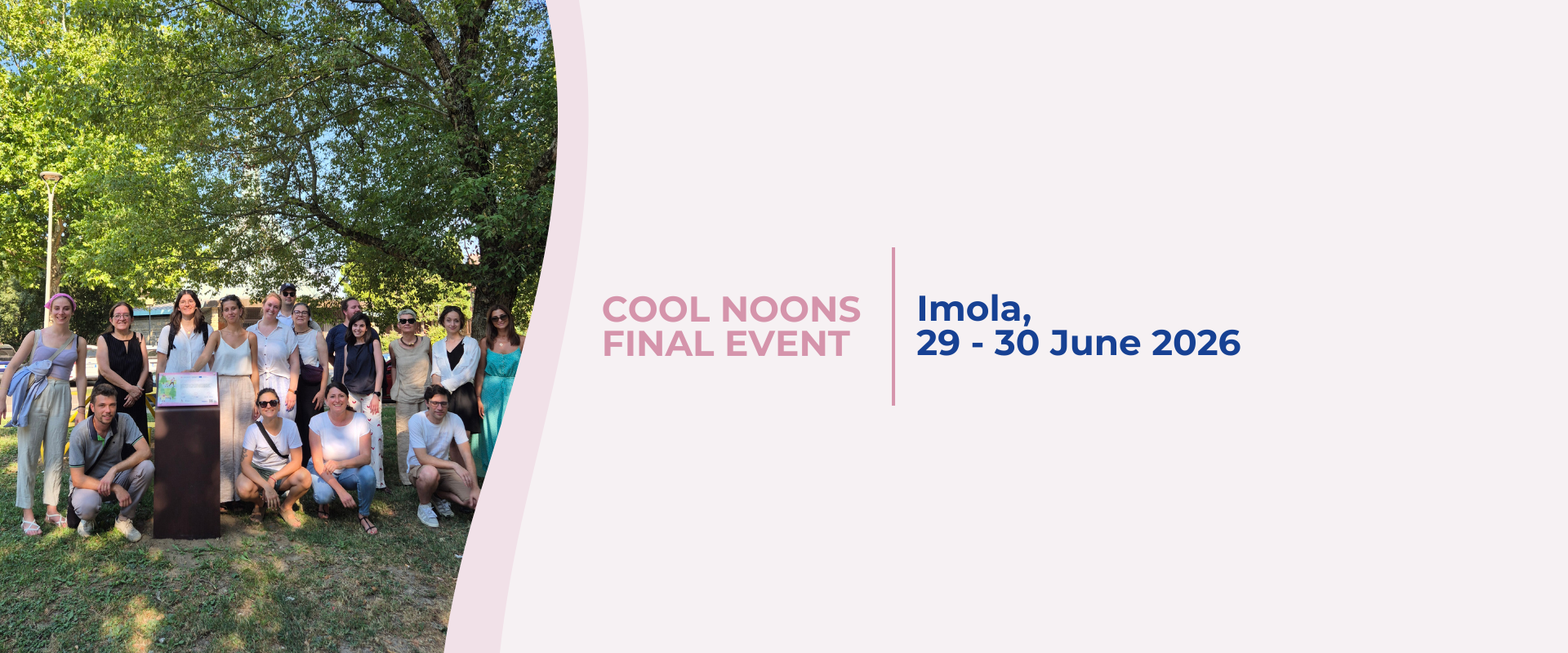

The Cool Noons project is coming to an end, after three years of intense work and collaborations.
The final event developed over two days, in two different cities, during one of the most intense heatwaves, hitting Europe with record temperatures in many countries, such as Germany (41°C), Czech Republic (41°C), Poland (40.5°C) and Denmark (37°C).
The heat of these days made Cool Noons project even more present, addressing the urgency to take action from the institutional level to small scale interventions.
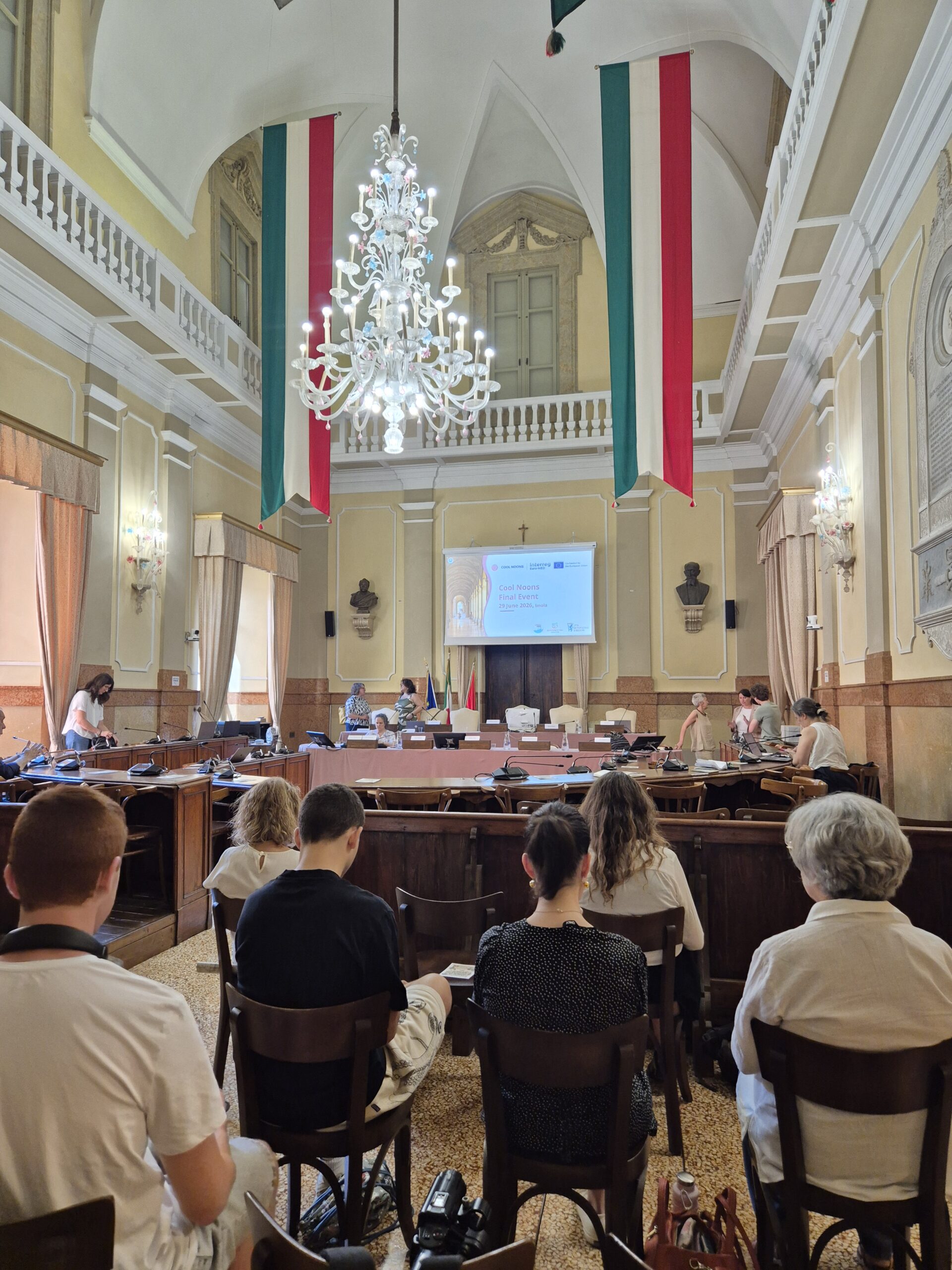
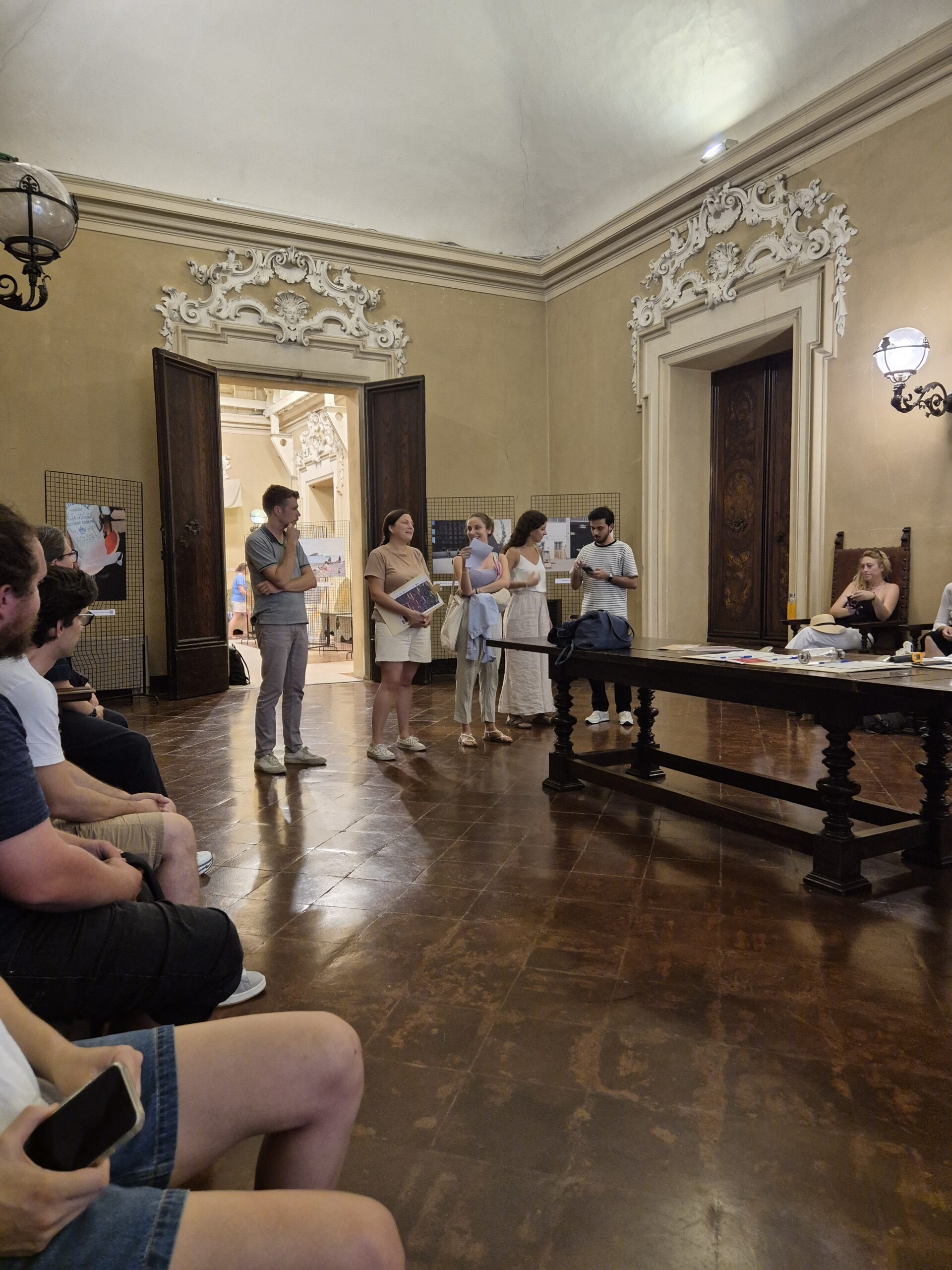
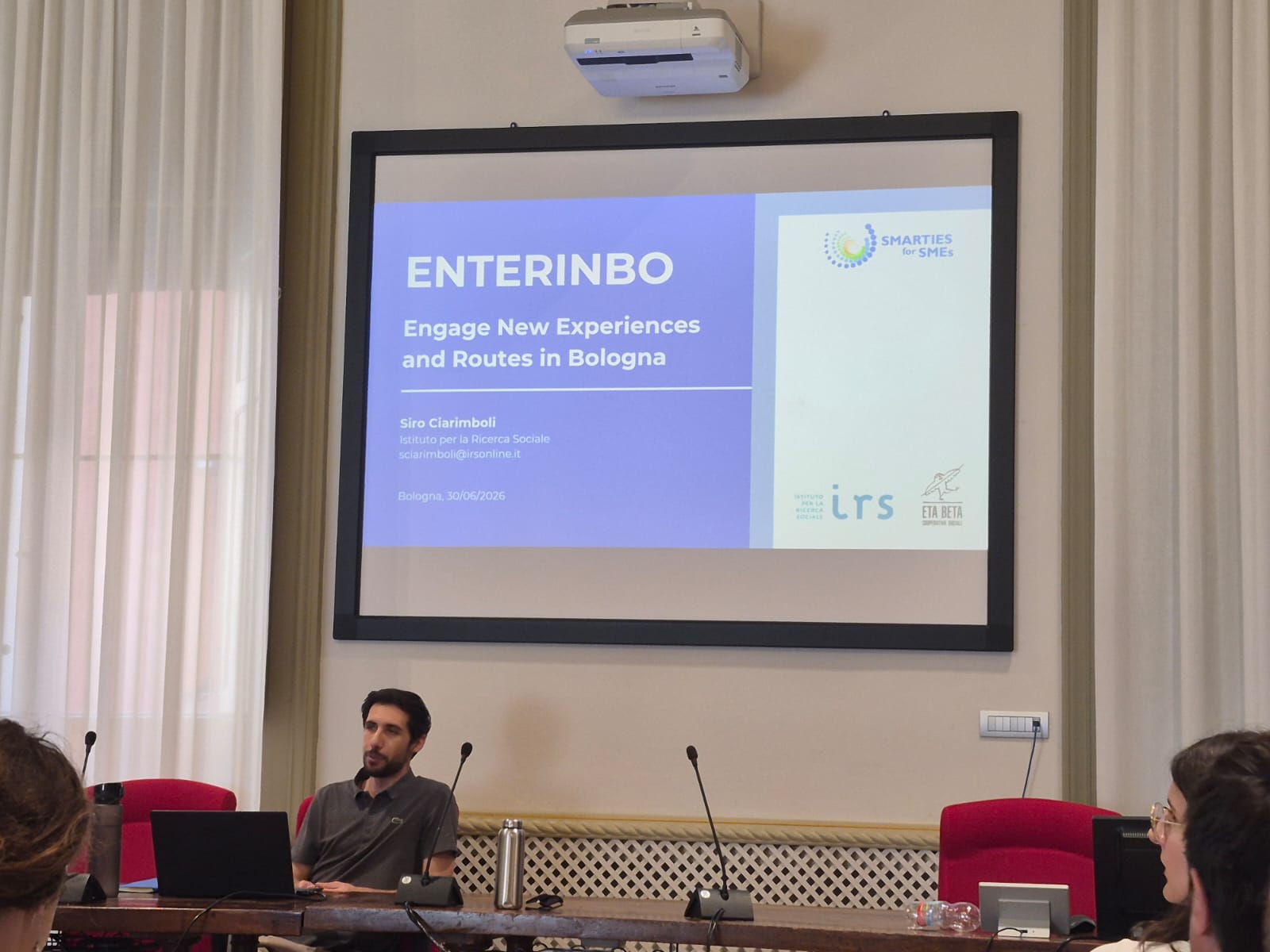
On Monday, Imola City Council Chamber hosted the public moment of the event, while on Tuesday, Cool Noons consortium moved to Bologna, home of the Città Metropolitana di Bologna, where the last Steering Committee was held.
The themes at the core of the public conference on Monday were adaptation to climate change in urban areas and strategies for the reduction of heat islands, with a special attention to urban planning and greening.
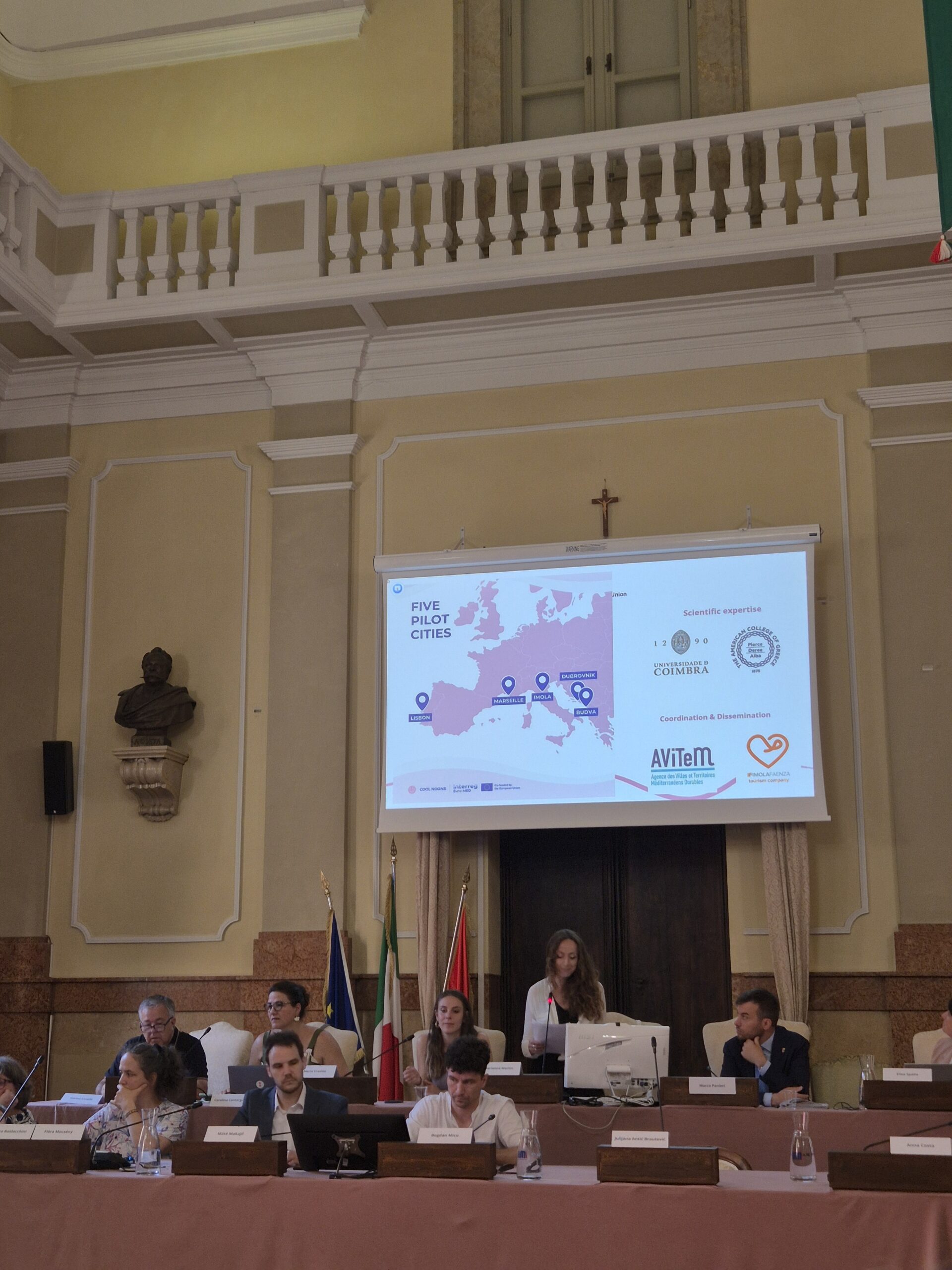
Cool Noons presented itself through the voices of Marianne Martin (AVitem, LP) and Maria Vrasida (American College of Greece) who introduced the environmental and social context of Cool Noons, as well as the possible future scenarios of increased frequency of heatwaves and unbearable temperatures in cities, which impact the quality of life of the residents and do not offer an enjoyable experience for tourists and visitors.
Cool Noons proposes simple yet concrete solutions to tackle urban heat, such as the implementation of water fountains, the creation of shaded areas by planting trees of climbing greens and the mapping of “Cool Paths“, to lead visitors to the discovery of monuments and point of interest in the cities while safeguarding health.
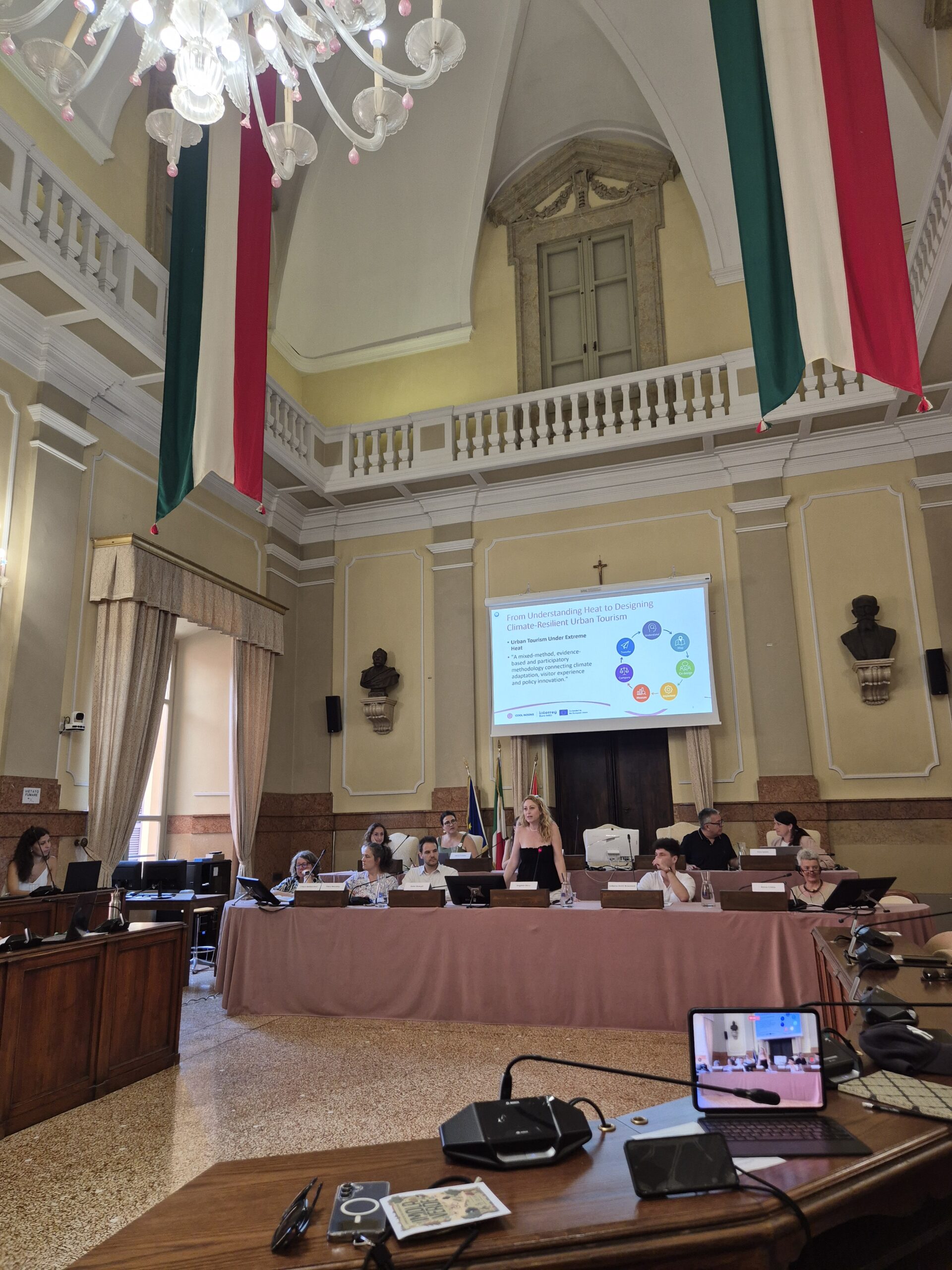
As Maria Vrasida presented Cool Noons methodology, from the participatory process to the choice of the solutions and the analysis of the impact of the implemented solutions, she pointed out how Cool Noons is also offering a strategy for the cities to prepare and to react to the challenges of a future which is getting hotter and hotter, as a crisis management system.
The Deputy Mayor of Imola, Elisa Spada, presented the achievement of Cool Noons in Imola, with the implementation of public water fountains in strategic parts of the city, the planting of trees and the placing of benches and seating in shaded areas.
Cool Noons project in Imola develops in a constellation of institutional actions, who contribute to greening the city and making it more sustainable. Spada focused on the importance of interconnection among projects, which should be working in the same direction to create better urban environments.
The ESPON GILL project was presented by Carolina Cantergiani: a European funded project that researched the Methodology for Quantifying the Demand for Green Infrastructure at Local Level, working alongside Cool Noons by sharing, implementing and enriching datasets.
Greening Cities Partnership and their Action Plan was presented by Bogdan Micu, while Flora Mokseny and Mate Makaji from the Ministry of Transport and Public Works of Hungary had an interesting focus on how local legislations and green policies can support the future urban development, while preserving the green areas. Anna Costa (landscape architect) and Chiara Baldacchini (Vice-coordinator of NBS Italy HUB) presented examples of how cities can plan the change, by considering nature as a living and important part of the urban environment.
Julijana Antic Brautovic (head of the Department of Culture of the City of Dubrovnik) delineated the inspiring journey of Dubrovnik, from adaptation to resilience in managing tourism and natural resources.
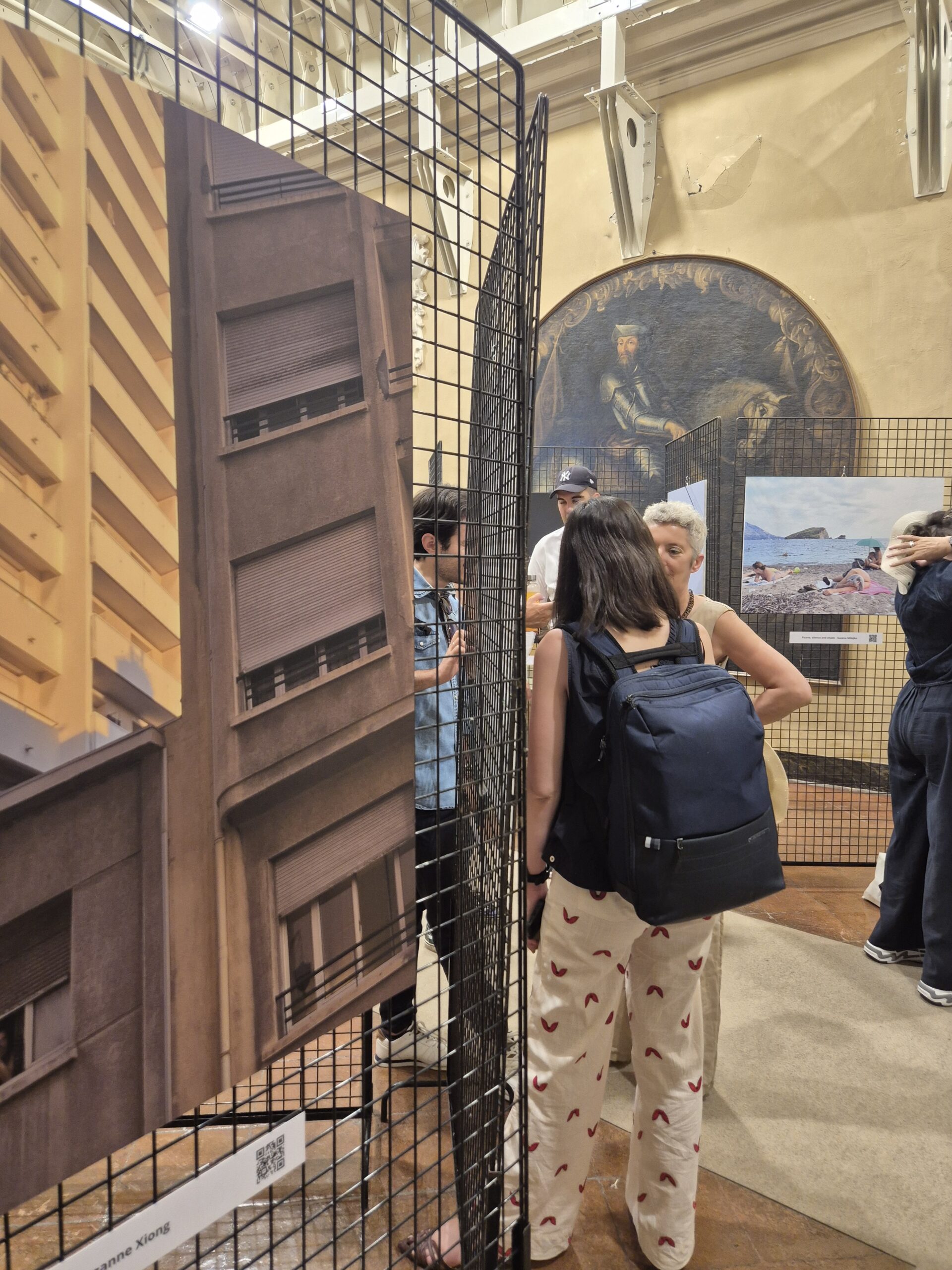
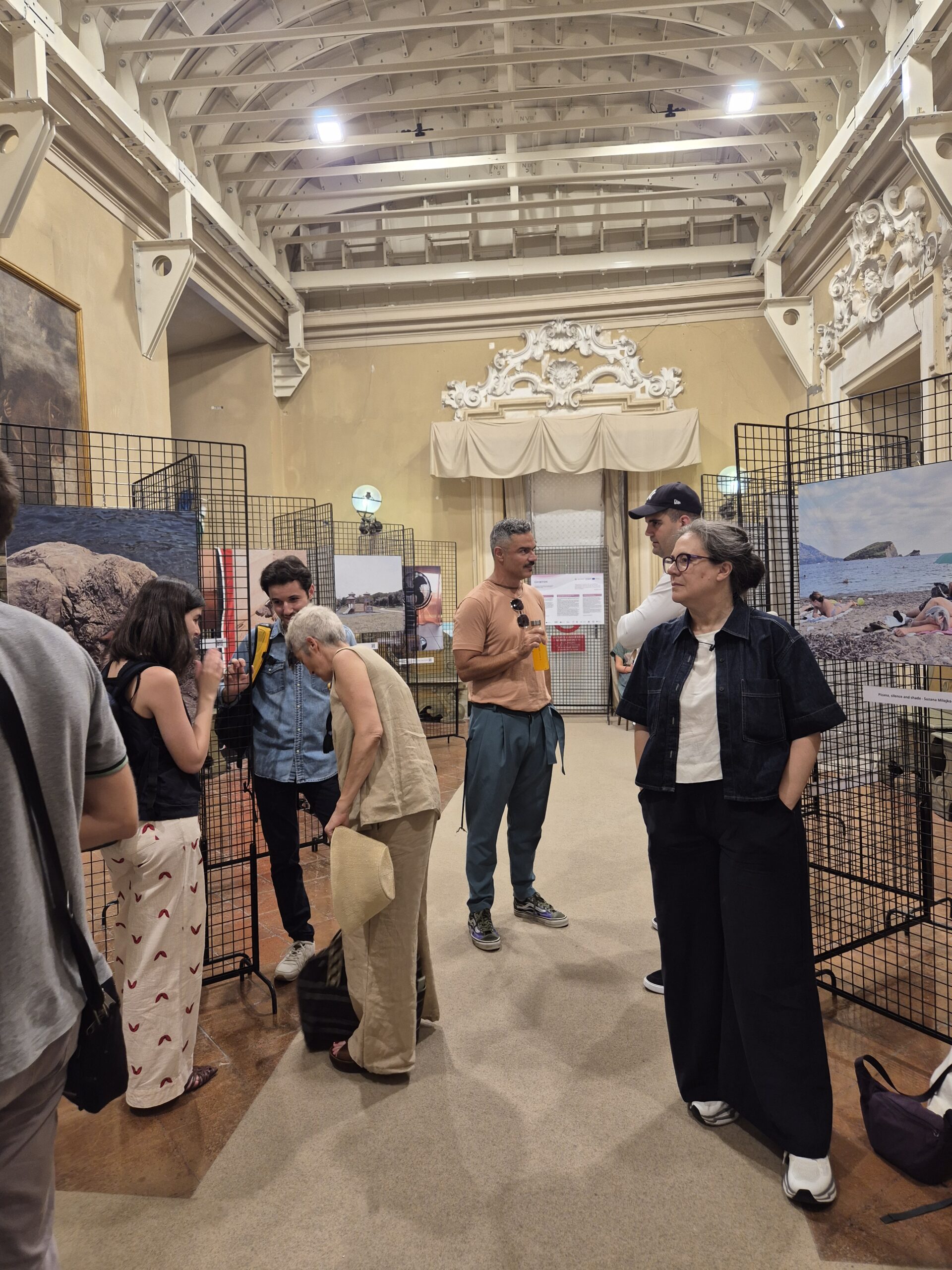
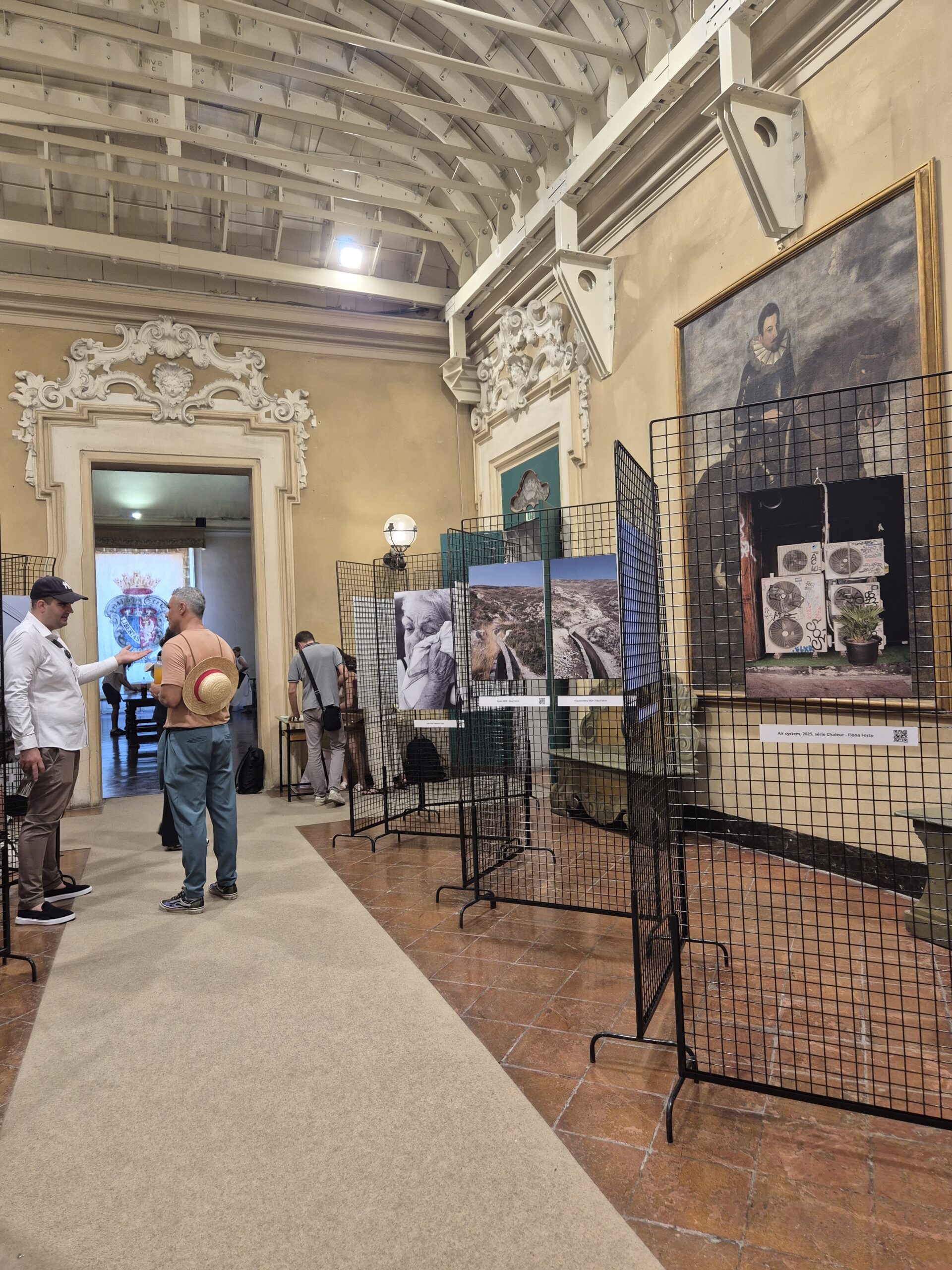
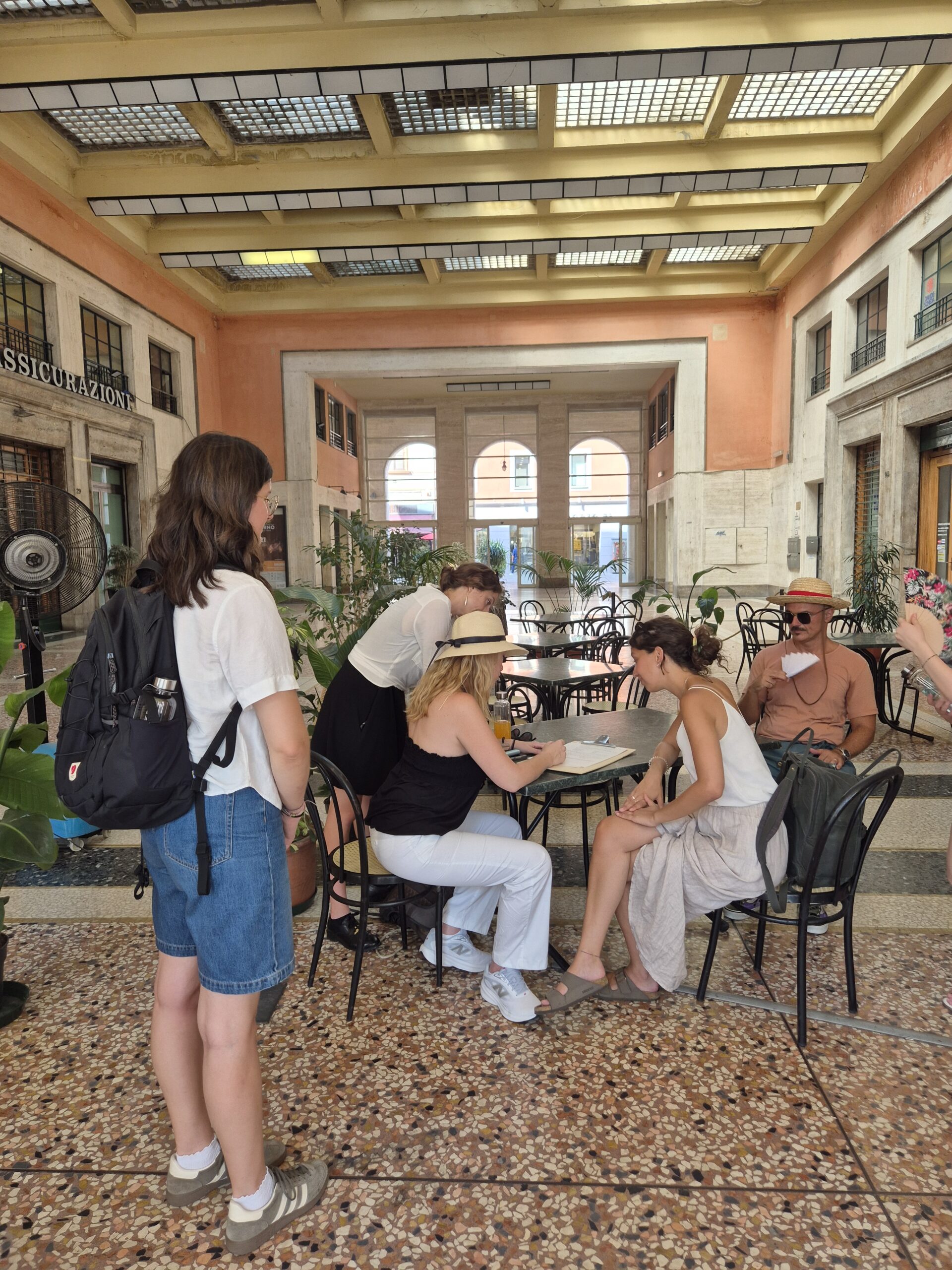
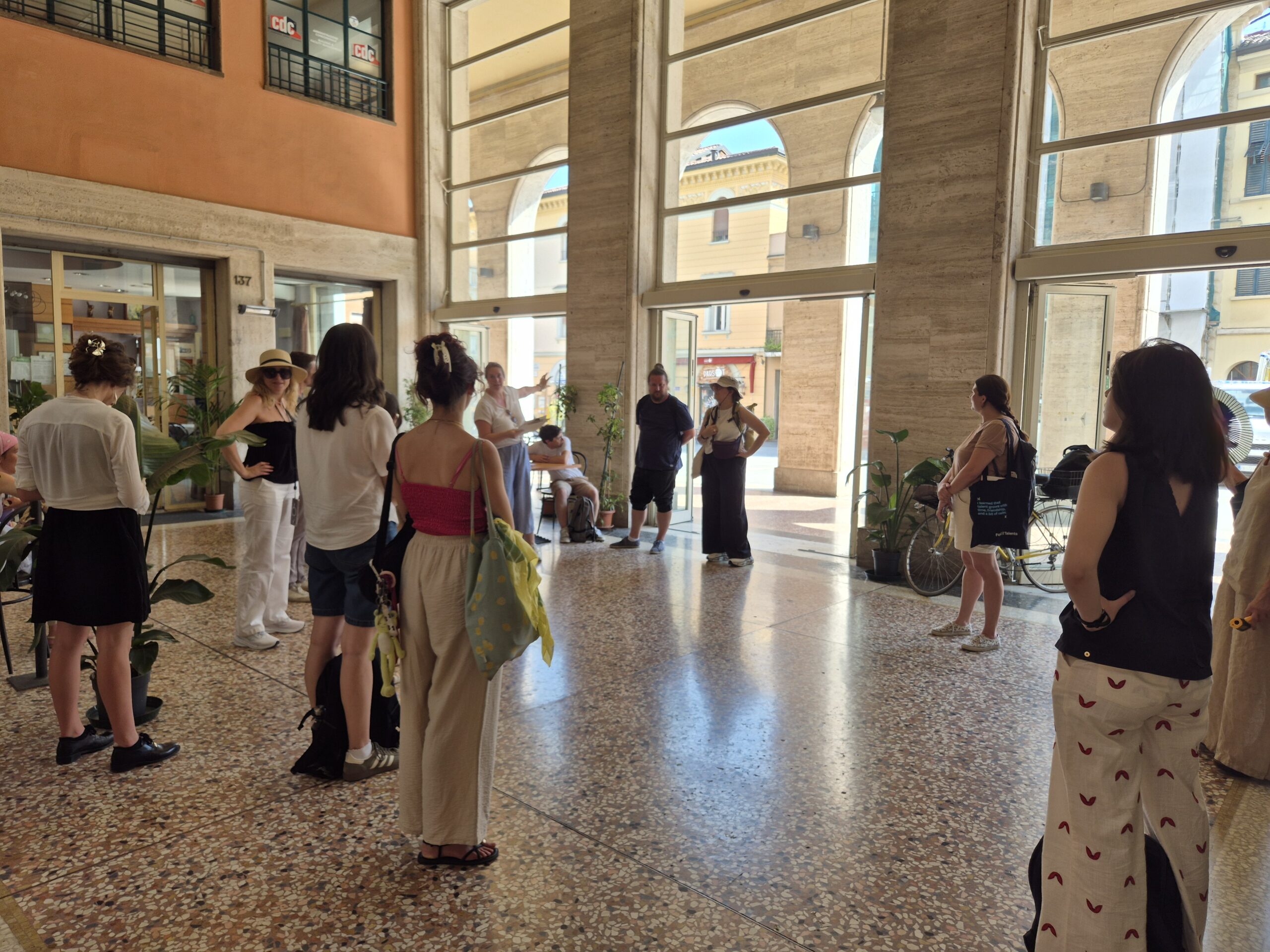
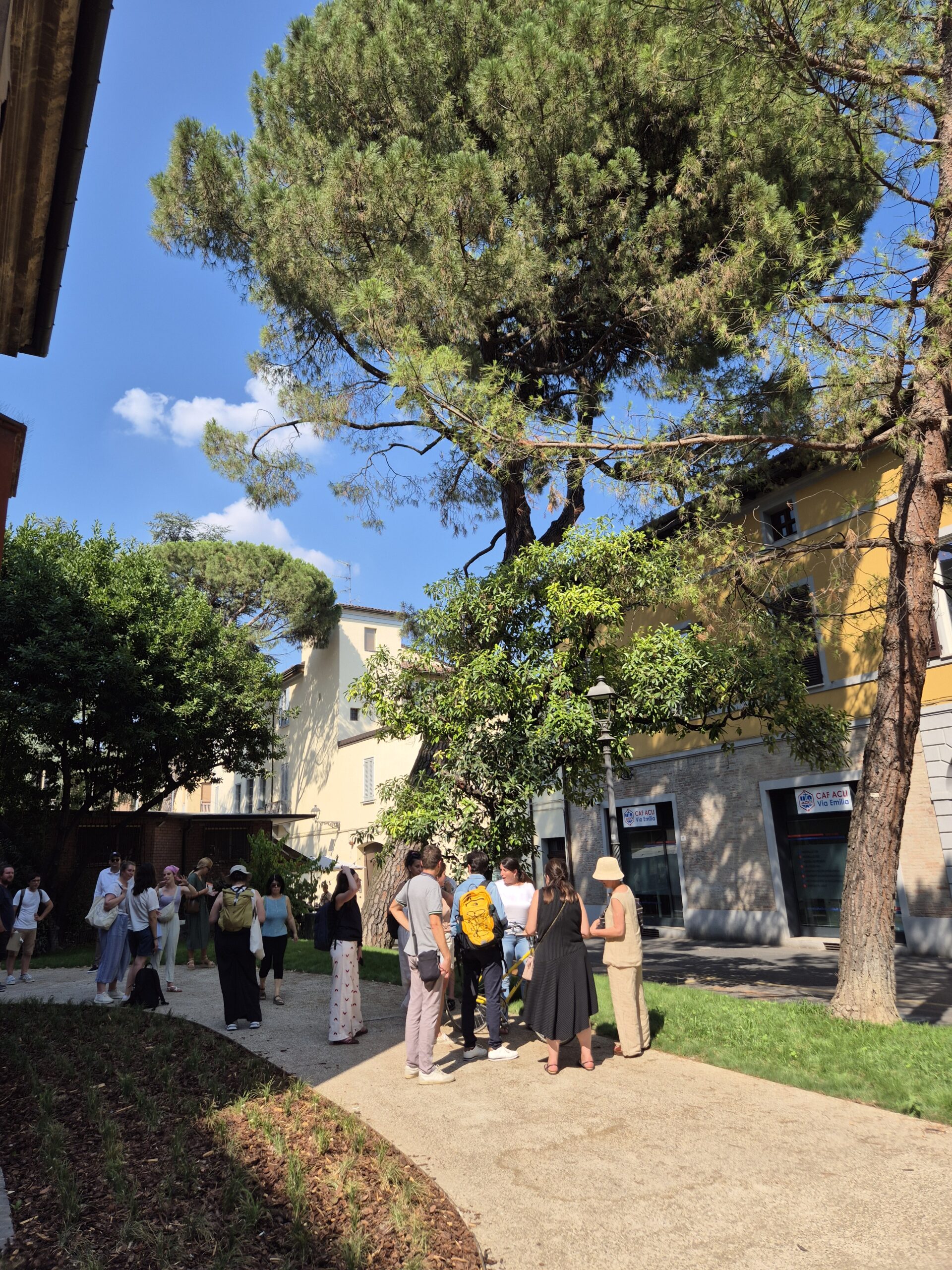
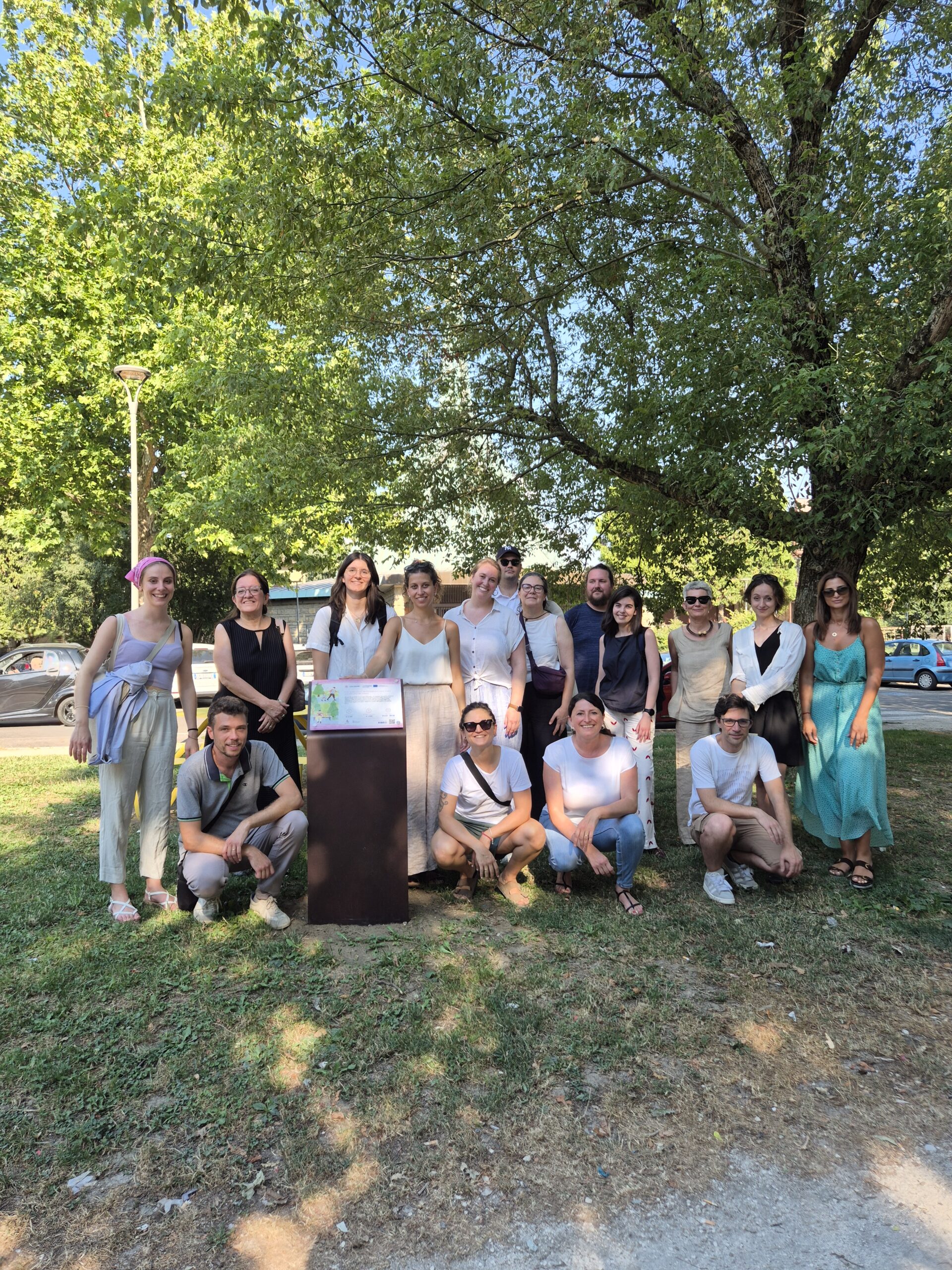
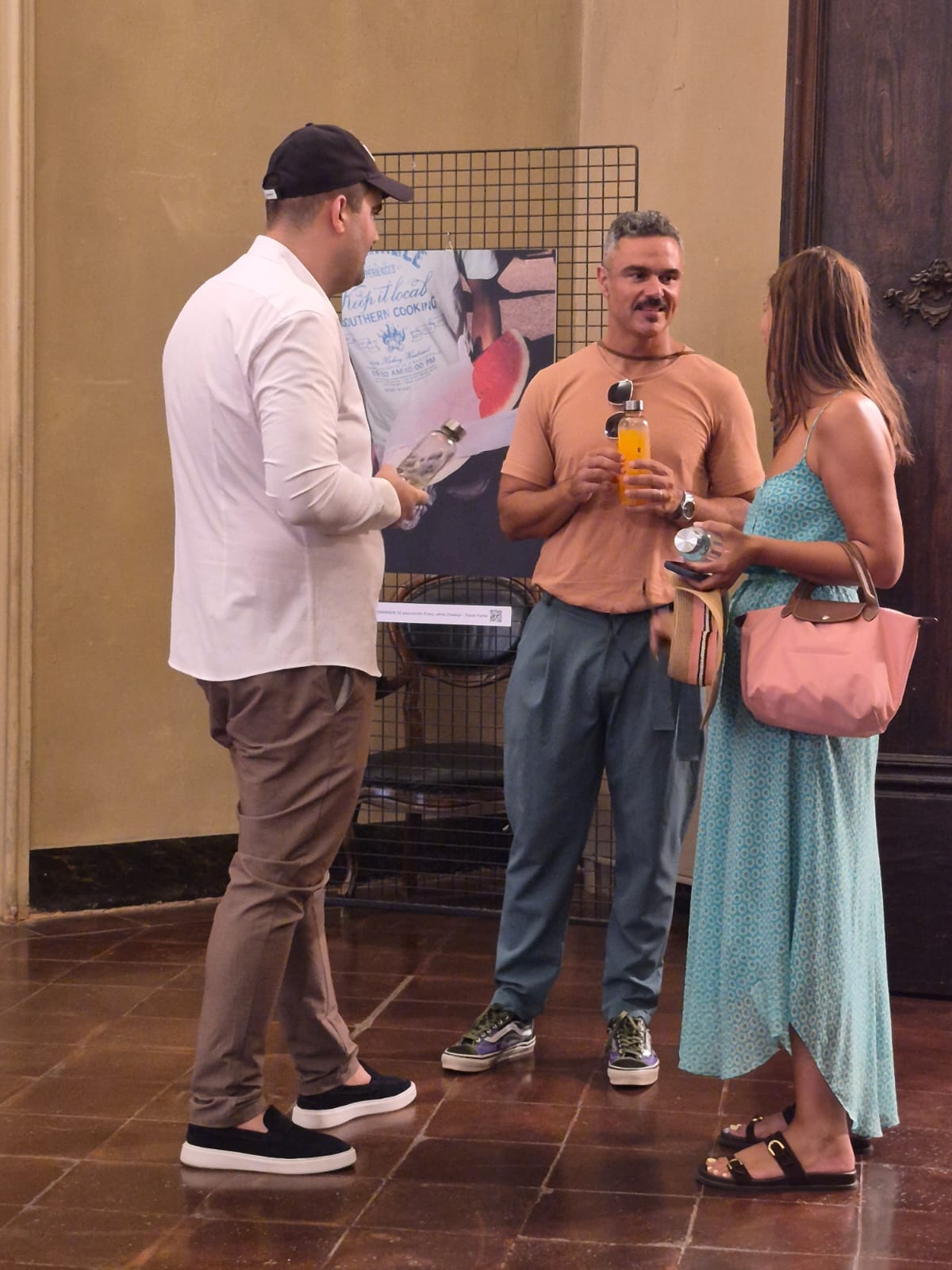
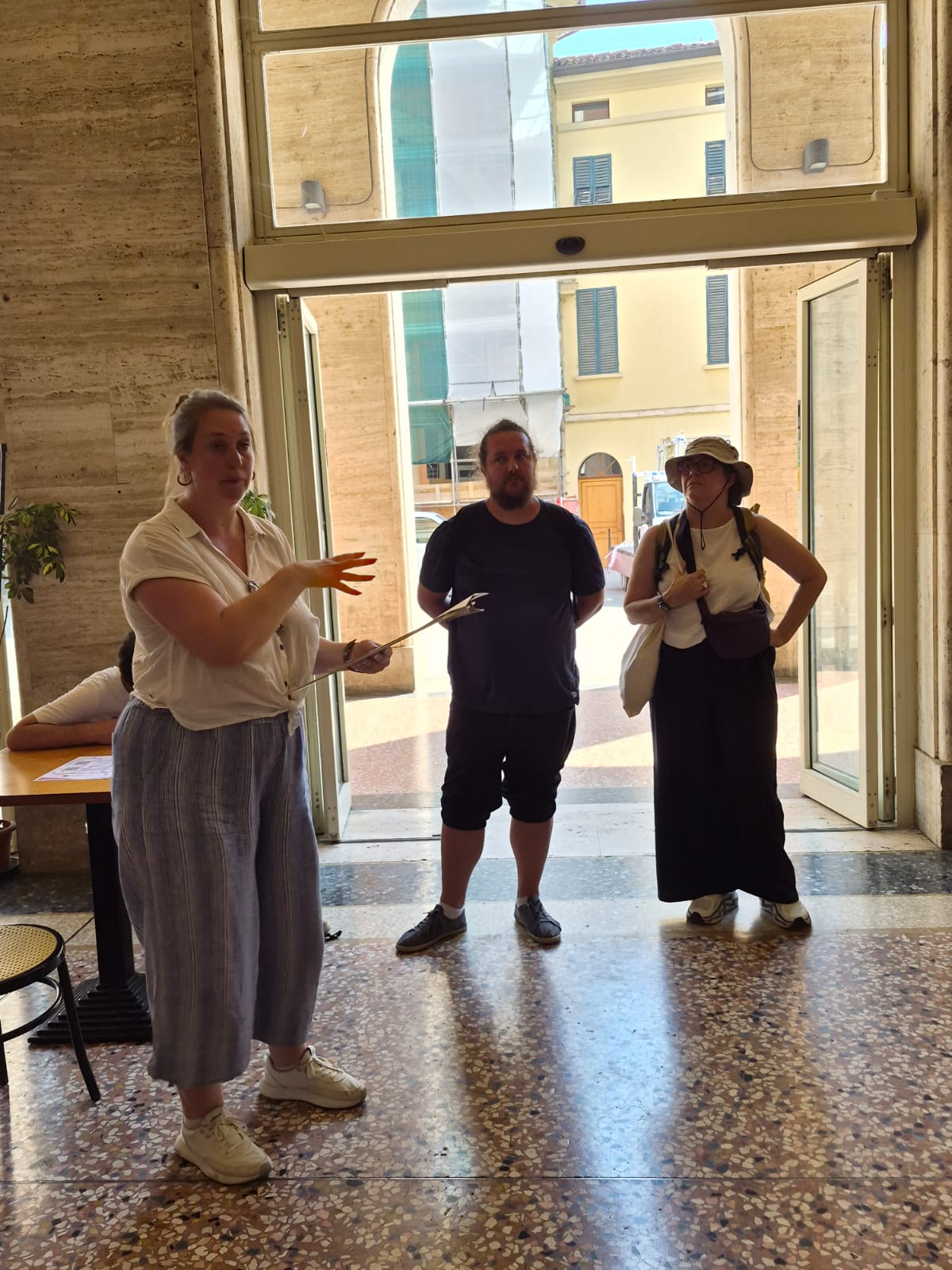
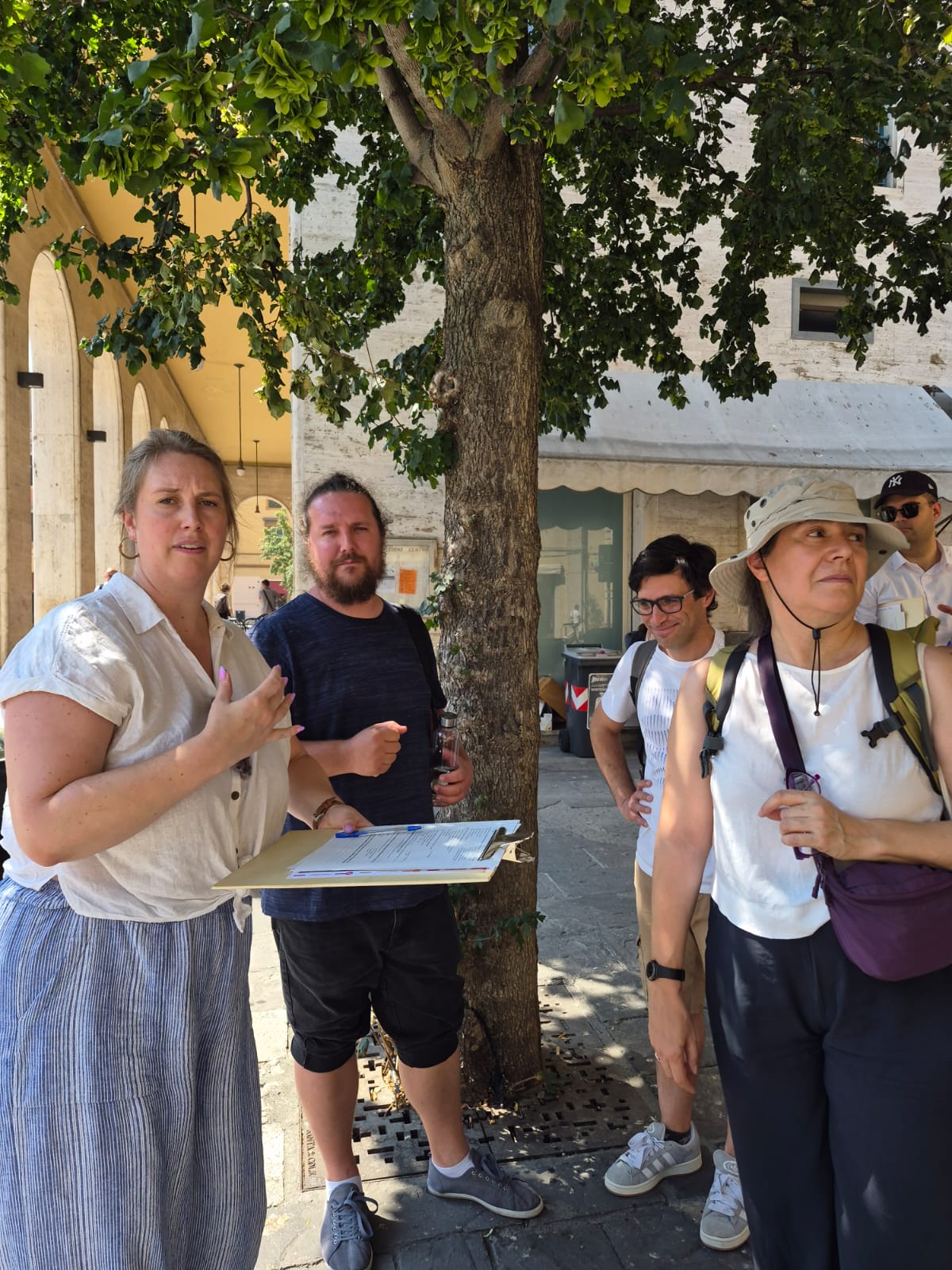
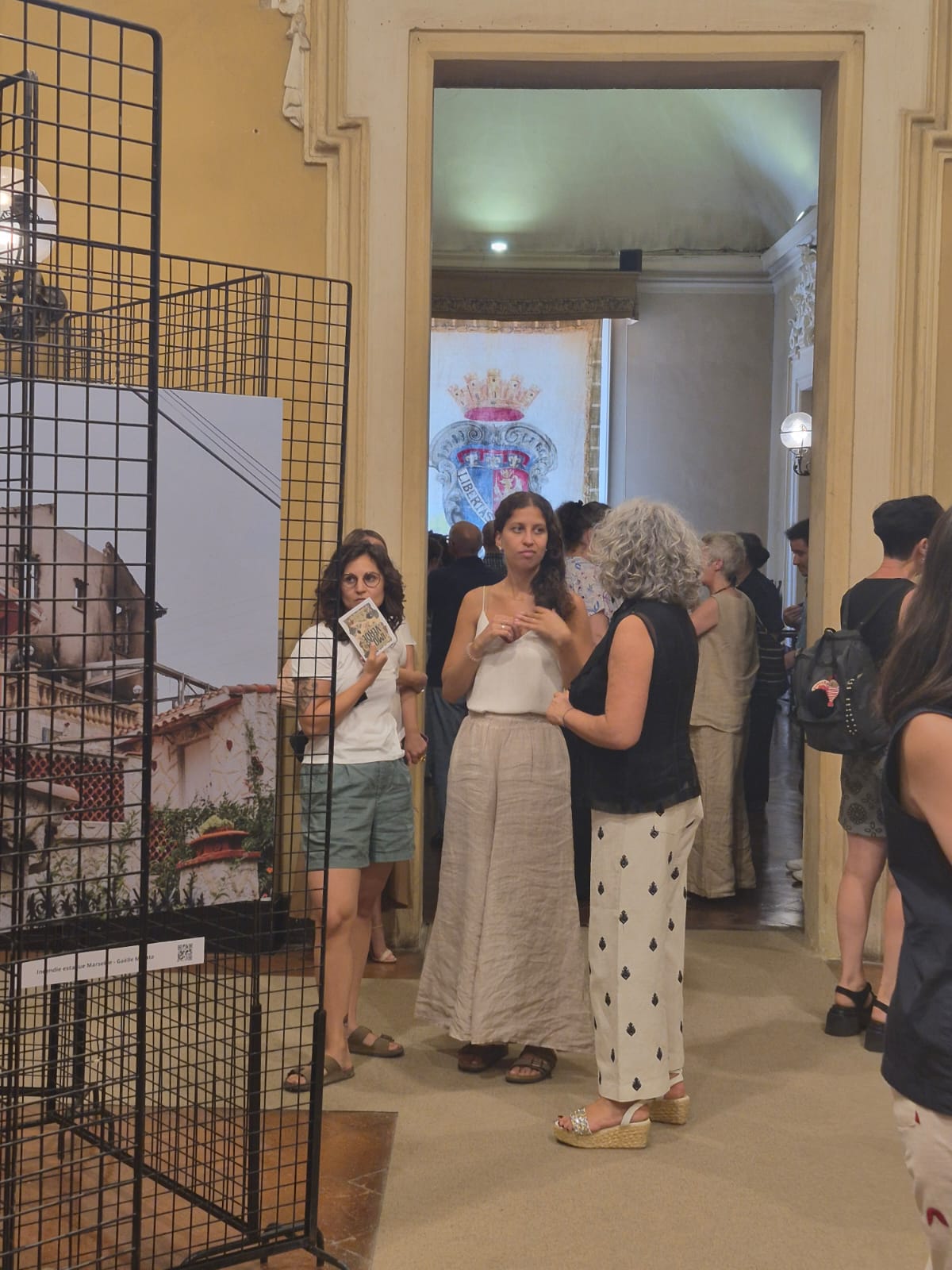
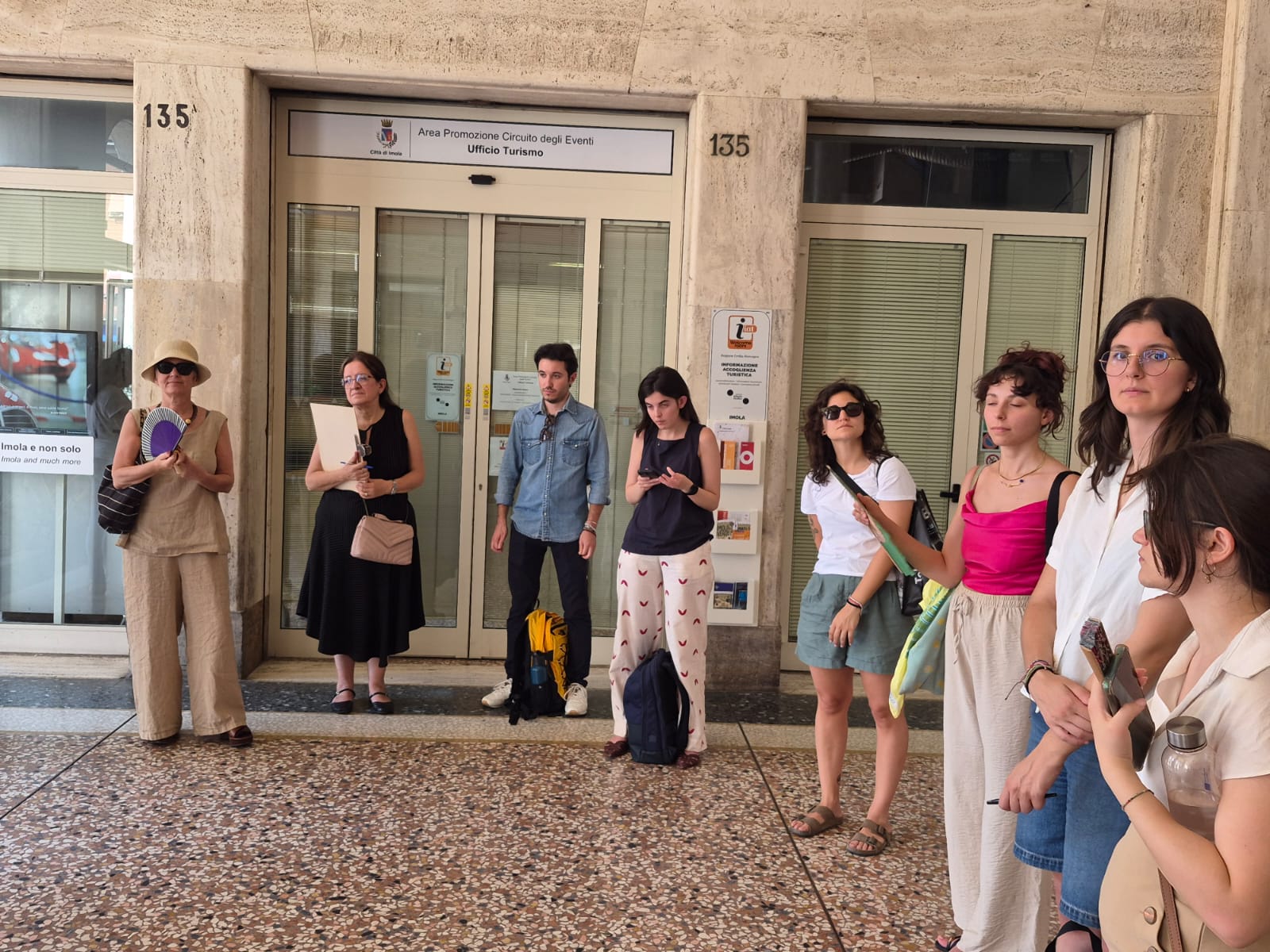
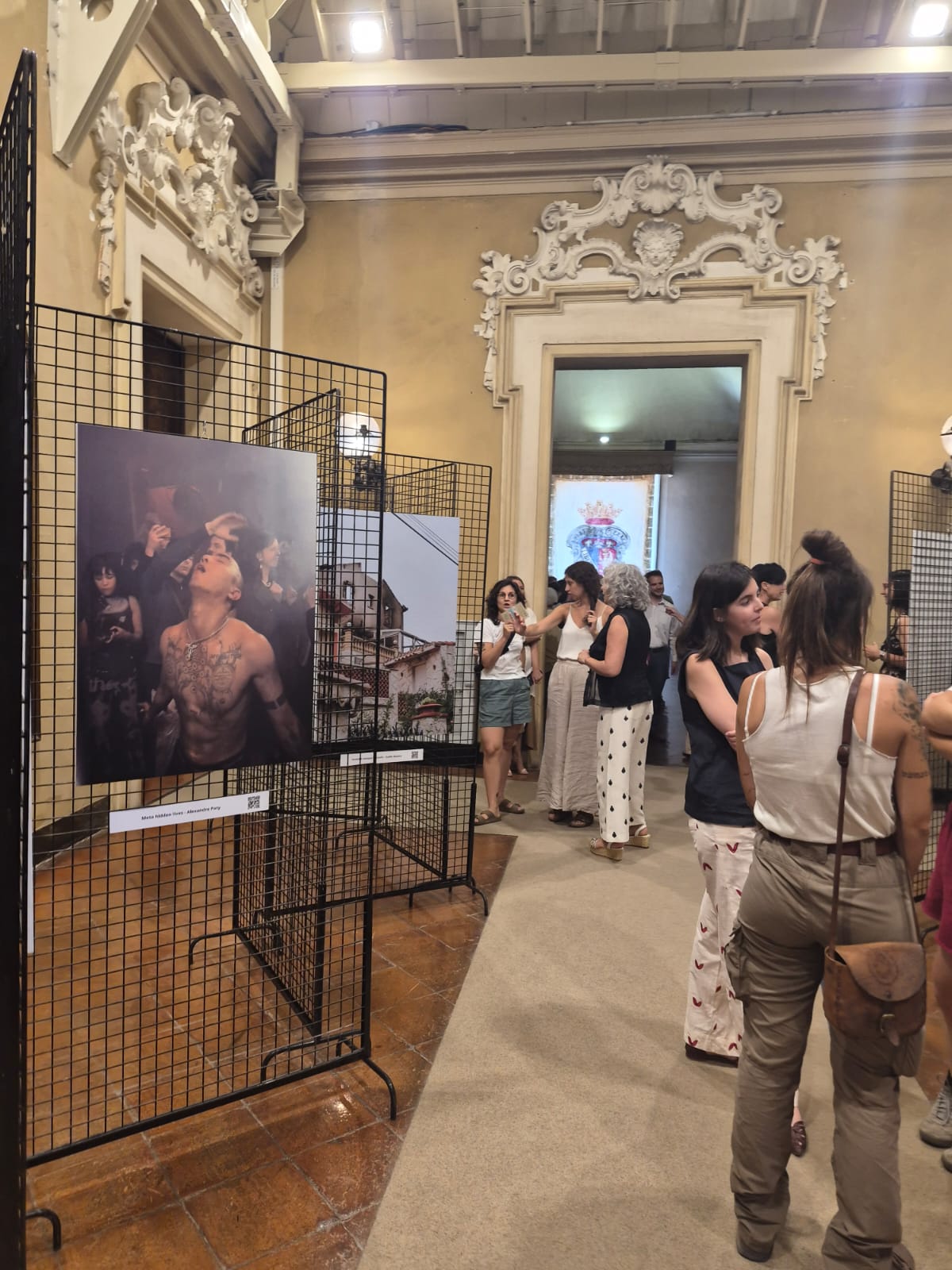
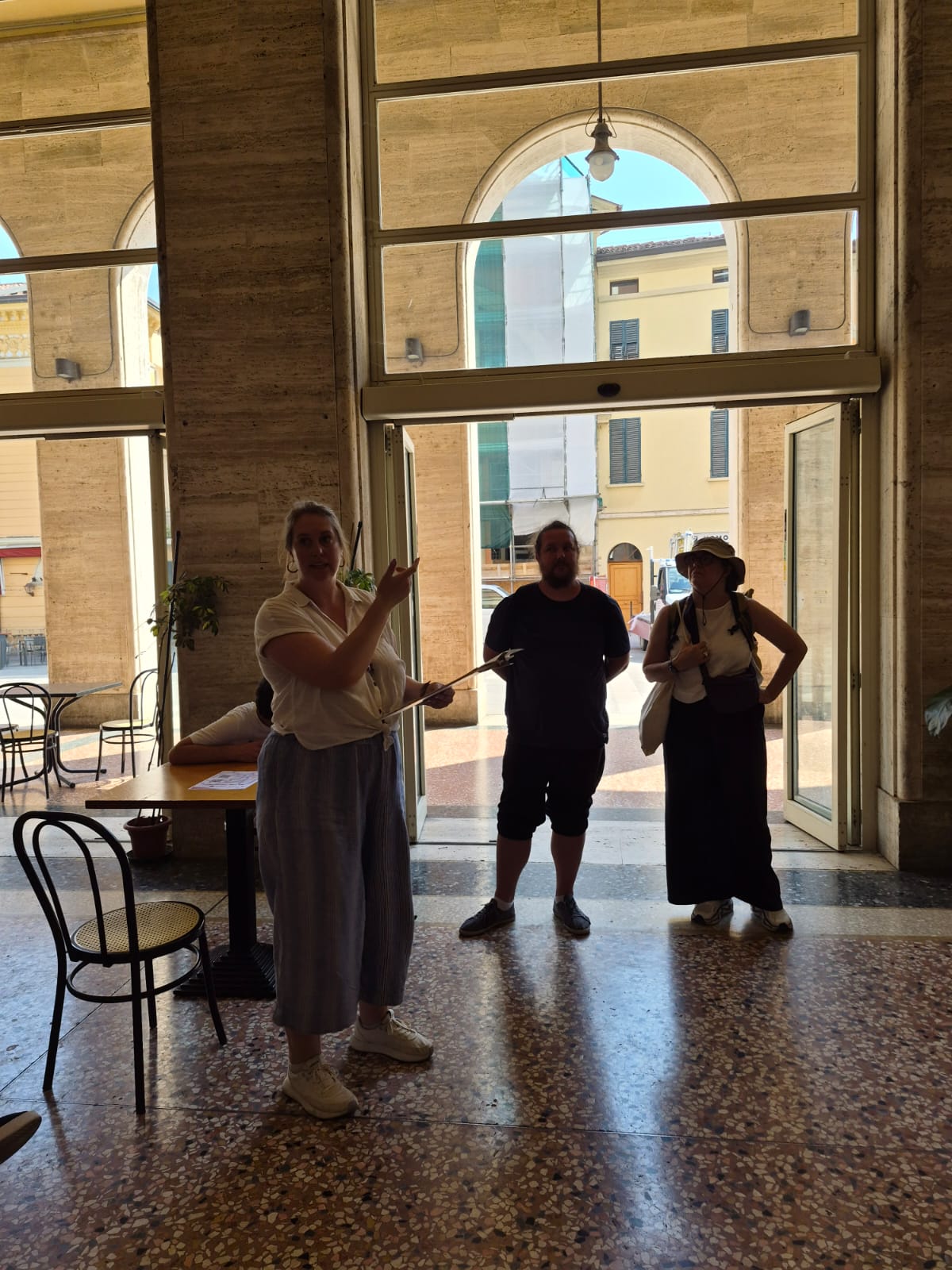
After the lunch break, which was the chance of visiting the Exhibition of pictures from the online photo contest “Urban Heat”, the event continued in a Guided Walk in Imola city center, to experiment the heat and the solutions implemented by Cool Noons.
Cool Noons consortium, made of 9 partners from 6 different European countries, wishes to continue investigating the climate change adaptation of the cities, with the hope that the strategies, methodologies and action plans developed in the past three years offer guidelines for more resilient cities.