LISBON
Cool Noons in Lisbon: green corridors
Lisbon’s Climate and Tourist background
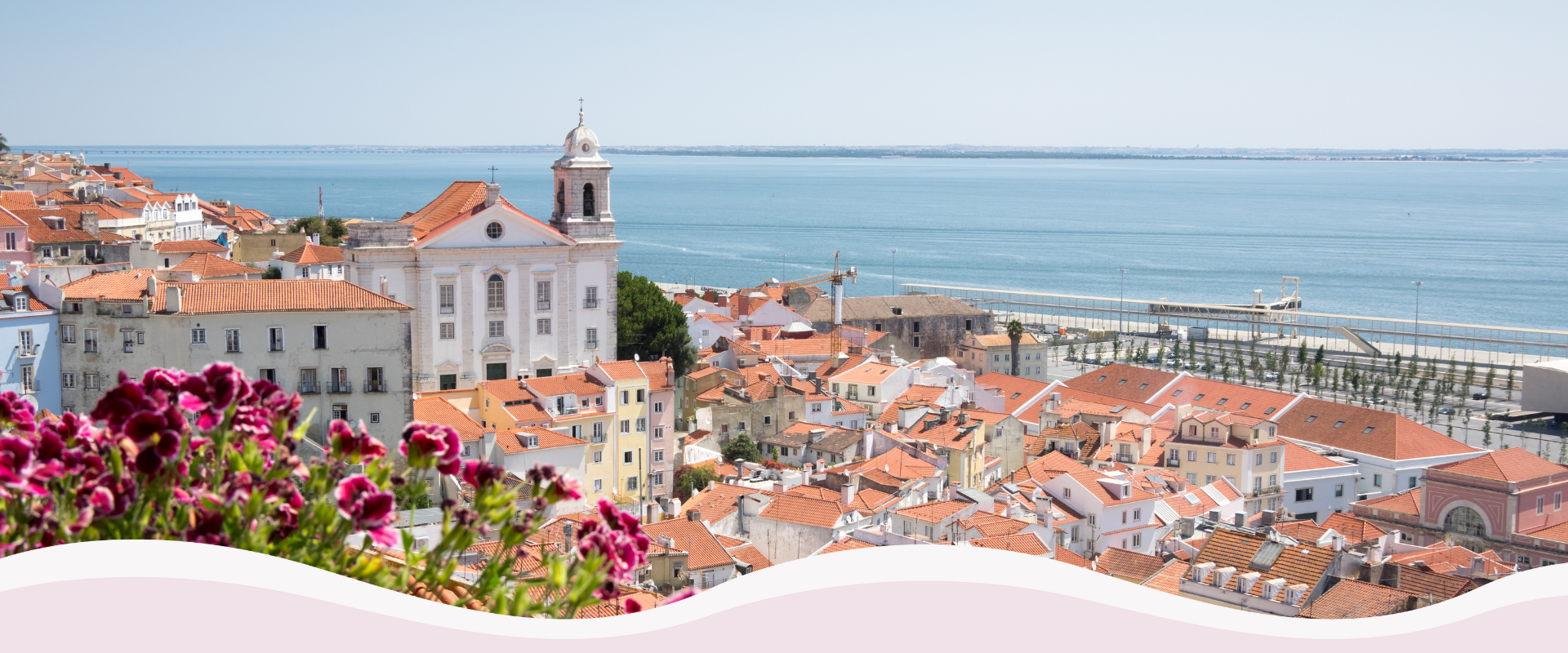
Lisbon is internationally known for its unique charm, where historic streets, vibrant monuments, and stunning views over the Tagus River blend into an unforgettable experience for both visitors and residents.
Its seven-hill topography makes Lisbon a unique destination, showcasing some of the most picturesque neighbourhoods in Europe, such as Alafama and Bairro Alto and breathtaking views from the traditional “miradouros” (viewpoints).
Lisbon’s Climate Challenge
With traditionally hot and dry summers, Lisbon is among the Mediterranean cities most exposed to the growing effects of climate change, facing increasingly frequent and intense heatwaves.
In 2022, Lisbon recorded historic temperatures exceeding 40°C and experienced three prolonged heatwaves, a situation that repeated in 2023 and is likely to occur again in the next years.
These extreme events are already significantly impacting the tourist experience, reducing thermal comfort and forcing visitors to avoid outdoor activities during the hottest hours of the day. The city is responding with continuity to its environmental commitments and climate policies.
Cool Noons Solutions in Lisbon
Lisbon found in Cool Noons a way to respond directly to this challenge with a clear strategy: to improve both the visitor experience and residents’ quality of life through the creation of urban Cool Paths. These routes integrate nature-based solutions, water points, and shaded areas that can be quickly and creatively implemented in public spaces most exposed to heat.
Cool Paths
Two are Cool Paths mapped in Lisbon, in Monsanto and Alvalade.
Cool Paths guide visitors through naturally shaded areas, urban vegetation, water points, and less explored parts of the city, offering a more pleasant experience even during the hottest periods.
Monsanto path creates a green corridor between the city center and Monsanto Forest Park, which covers around 10% of the city’s area, and where thermal measurements have shown temperature differences greater than 15°C between sun-exposed areas and shaded forest zones.
The Alvalade Path was requalified with direct involvement from the local school and community, showing that small-scale actions, such as participatory planting of trees and shrubs, the use of climate-adapted species, and the creation of shade, can transform underused areas into accessible thermal micro-refuges
The two paths also reflect the diversity of Lisbon’s identity: the Alvalade route highlights architectural and historical heritage, while the Monsanto route showcases the city’s environmental legacy, a greener Lisbon.
Cooling Solutions for Urban Spaces
The interventions in Lisbon introduce vegetation and shaded resting areas in frequently used pedestrian public spaces. Three locations were selected in the Alvalade and Monsanto districts of Lisbon, all publicly owned and managed by the municipality:
– Logradouro na Rua Mario de Sa Carneiro, Alvalade (38 44’59.6″N 9 08’47.5″W): A residential courtyard-type space in a high-density urban neighbourhood with strong relevance for elderly residents.
– Jardim da Amnistia Internacional, Monsanto (38 44’06.2″N 9 09’48.4″W): A public garden within the Monsanto forest park, used by residents and visitors.
– Rua Rosalia de Castro, Alvalade (38 45’12.5″N 9 08’47.4″W): A streetside public space along a residential street with high pedestrian use.
By improving shading, microclimatic conditions and the usability of public spaces, the solution tests practical cooling measures that can be replicated across similar Mediterranean cities.
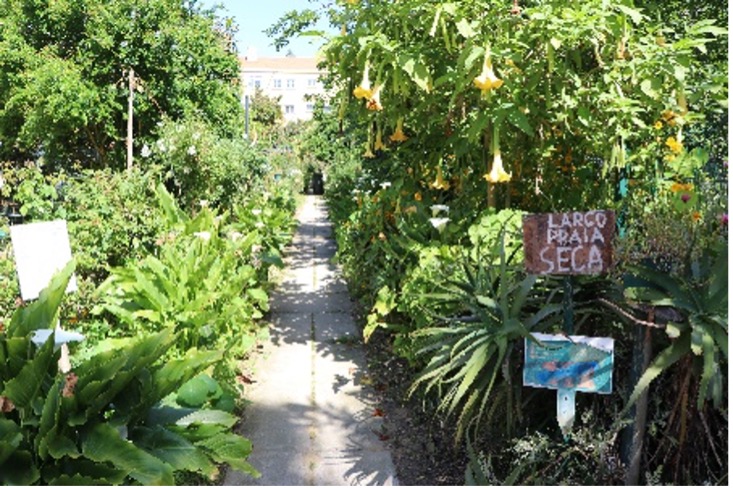
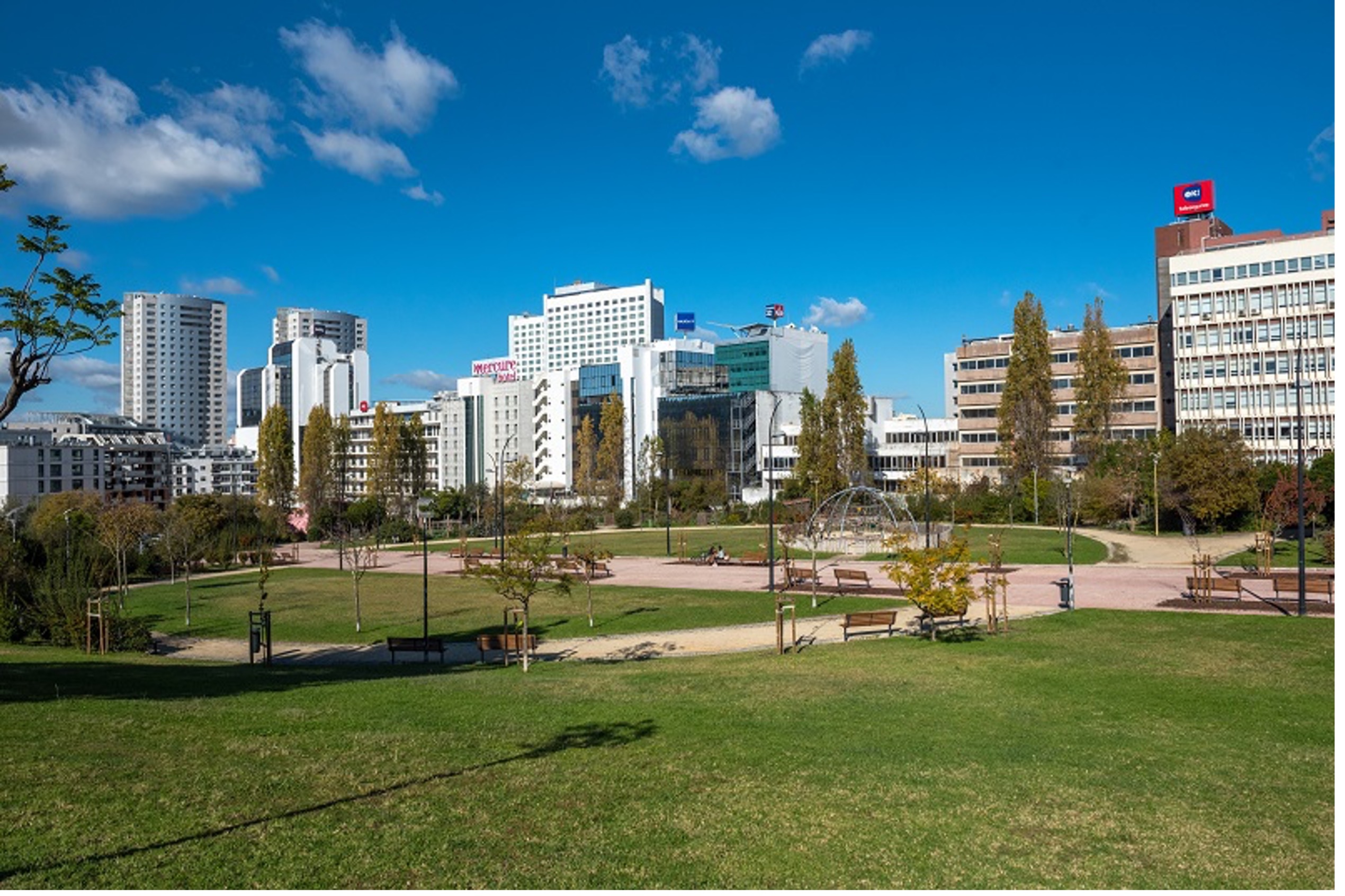

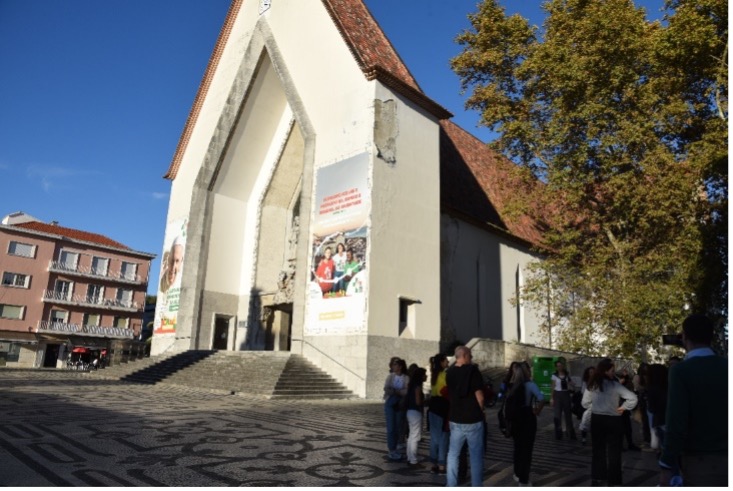
Urban greening through arboreal and shrub vegetation,that create shaded resting areas. Improved soil permeability enhance local microclimatic conditions |
Read more about Lisbon Pilot City

Cool Noons in Lisbon
Lisbon is internationally known for its unique charm, where historic streets, vibrant monuments, and stunning views over the Tagus River blend into an unforgettable experience for both visitors and residents. With traditionally hot and dry summers, Lisbon is also...
Lisbon and the Cool Noons Project: Strategies to Tackle Urban Heat
Lisbon is changing. Heatwaves are becoming more frequent, with an increase in extremely hot days and periods of drought that put pressure on the city’s water resources.Another challenge concerns rising sea levels. While flooding is not yet a critical issue, climate...
Lisbon and the Cool Noons Project: Discover Hidden Gems through Sustainable Tourism
Lisbon, recently awarded as Europe’s Leading City Destination 2024, is redefining sustainable tourism by enhancing its historical heritage, favorable climate, and unique hospitality. As part of the Cool Noons project, the city has developed innovative paths that guide...
Lisbon pilot partner

Câmara Municipal de Lisboa is the partner responsible for Lisbon as pilot city.
Learn more about Câmara Municipal de Lisboa on the official website: